Stay Seated or Hit the Aisle: A 2026 Guide to Credits Worth Your Time

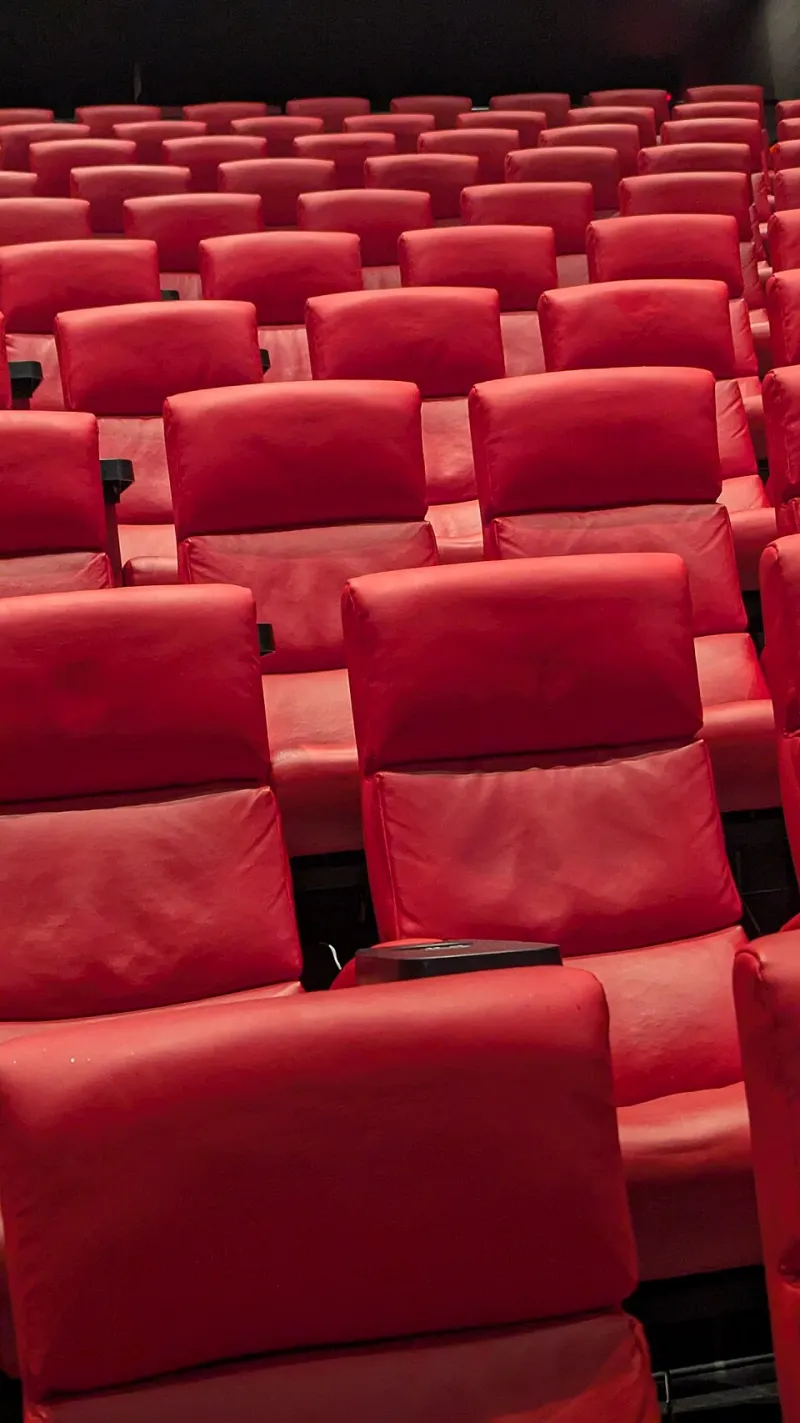
Photo: Dmytro Petishkin, CC BY 4.0, via Wikimedia Commons
The lights come up. Half your row is already reaching for coats, and the other half is frozen in that awkward half-stand, squinting at the screen like it owes them a secret. Welcome to the credit-roll crossroads. In 2026, the mid- and post-credits scene has become less a bonus than a test of faith: sometimes it is a genuinely great little curtain call, and sometimes it is a two-minute commercial for a sequel that may never happen. This is your practical audit — no spoilers, just a stay-or-go guide for theaters and a few couch-side rules for streaming.
First, Know Your Credit Types
A quick vocabulary check before we rank anything. A mid-credits scene arrives after the first chunk of names, usually within two or three minutes. A post-credits scene waits until the very end, after the logos and the thank-yous. And then there is the sting: a short, sharp button that either rewards attention or tests patience. The best 2026 examples understand the difference between a tease and a payoff. The worst ones mistake a logo for a story.
The Green Light: Stay in the Chair
These are the 2026 releases where the extra five minutes actually earn their keep. Stay put, finish your popcorn, and let the theater do its thing.
Neon Harbor — This one is the year’s cleanest argument for sticking around. The mid-credits beat is a tiny, funny character handoff that plays like a victory lap, not a homework assignment. It does not demand you know a dozen Easter eggs. It just lets a great supporting player steal one more scene. Post-credits? Nothing essential. Once the mid-credits bit lands, you are free.
Orbit City — Family crowds, take note. The animated space caper puts its best extra in the middle of the credits, and it is aimed squarely at kids who need a gentle landing after the emotional third act. It is bright, quick, and self-contained. No sequel homework. No ominous voiceover. Just a final gag that justifies the wait.
Grand Slam Heist — The heist comedy earns its sting by actually resolving a tiny loose thread from the opening. It is the rare post-credits scene that makes the movie feel more complete rather than more corporate. Stay if you enjoyed the ride. If you were already checking your watch, you can bail without missing a real story beat.
The Yellow Light: Stay If You’re Already Invested
This tier is for the maybe-crowd. If you loved the movie, the extra is a nice little dessert. If you were lukewarm, you will not regret the exit.
The Last Cartographer — The mid-credits scene is a mood piece more than a plot twist. It deepens the ending for viewers who were locked into the movie’s rhythm, but it will mean almost nothing to someone who spent the last hour wondering why the map had so many close-ups. Stay if you want to sit in the feeling a little longer. Go if you need to beat the parking lot.
Double Feature — The comedy’s post-credits gag is funny, but it is also the kind of joke you could watch on a phone clip next week and lose nothing. The mid-credits outtake is the better bet. If you are with a crowd that is still laughing, stay. If the credits have already killed the mood, slip out.
The Red Light: Go Catch Your Train
No shame here. These 2026 credits are mostly empty calories — fine if you are already seated, forgettable if you are not.
Static Bloom — The horror release uses its post-credits beat as a sequel flag, but it is more shrug than shiver. The movie already stuck its landing. This extra bit mostly reminds you that a franchise is possible, which is not the same as a story being necessary. Head for the exit and keep the ending you got.
The Quiet Fleet — A beautiful drama that does not need a stinger. The mid-credits scene is a silent shot that adds atmosphere but no information. If you are a completist, fine. Otherwise, the walk to the car is the better use of your time.
Paper Lions — The sports drama tacks on a post-credits montage that plays like a highlight reel for a sequel that has not been announced. It is pleasant enough, but it undercuts the emotional final scene. Skip it and let the locker-room ending breathe.
The Streaming Rules Are Different
At home, the calculus changes. You are not trapped in a row. You are not holding a coat. But you also have a fast-forward button, which means the credit roll becomes a negotiation with your own patience.
Here is the practical playbook. First, check the runtime: if the credits are under 90 seconds and there is no mid-credits marker, you can safely move on. Second, use the chapter menu. Most 2026 streaming releases label the final chapter as “Credits” or “End Credits,” and the mid-credits sting usually sits at the start of that chapter. Third, do not skip blindly if you heard a sound cue before the screen cut to black — that is often the movie telling you to wait. Fourth, if you are watching with subtitles, leave them on through the credits. A lot of streaming stings are dialogue-only, and the subtitle track will tip you off before the image does.
And one more rule: do not let autoplay make the decision for you. If the next episode or the next recommendation starts rolling before you have checked for a stinger, you have already lost the thread. Pause, look at the chapter marker, and decide like an adult. Or like a tired person on a Tuesday. Either works.
The Bottom Line
The 2026 credit scene is not a moral test. It is a small, optional bonus. The best ones — Neon Harbor, Orbit City, Grand Slam Heist — reward the people who stay without punishing the people who leave. The weakest ones are just sequel paperwork with a soundtrack. So the next time the lights come up and the aisle fills with coat sleeves, you can make a call in three seconds: stay for the sting, or go catch your train. Both are valid. One just gets you home earlier.